
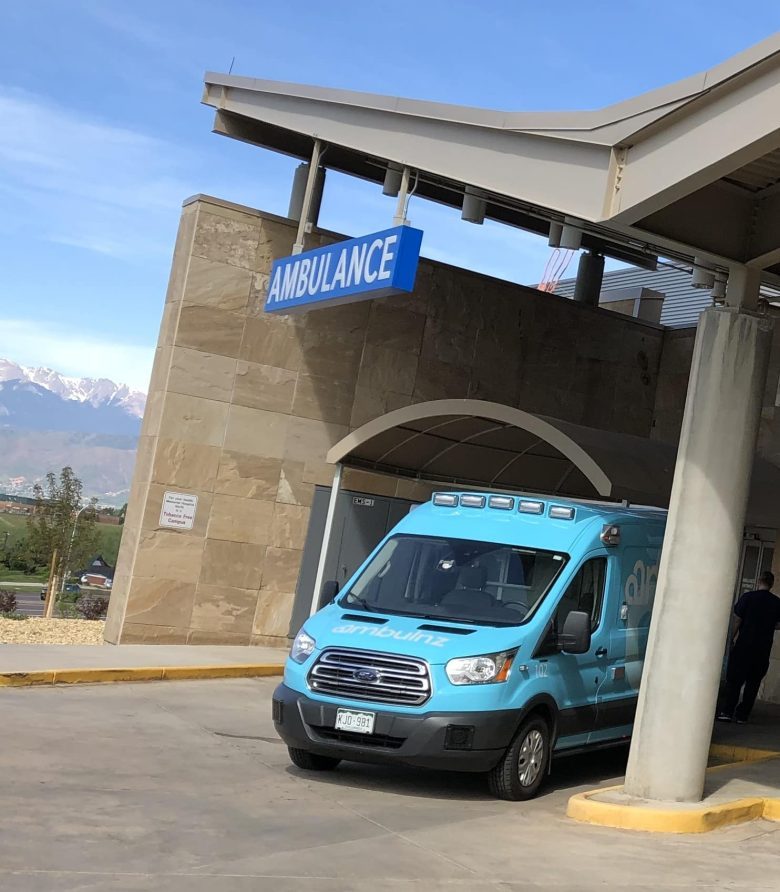
Transfers are part of safety
When you choose Beginnings Birth Center, you’re choosing midwifery-led care. You’re choosing trust in your body, continuity with your provider, and a birth experience centered on what matters to you.
But you’re also choosing something else: a system built around safety. And sometimes, safety means transfer to the hospital.
Here’s what we want you to know.
TRANSFERS ARE PART OF SAFETY
This might sound counter-intuitive. Shouldn’t a “safe” birth center never need to transfer?
Actually, no. The safest birth centers are the ones that know their limits—and act on them immediately when needed.
A transfer doesn’t mean something went wrong. It means something *changed*. And we have a plan for it.
Think of it like this: a birth center is designed for physiologic, uncomplicated labor. A hospital is designed for medical complexity. Sometimes labor shifts into complexity. When it does, transfer means you immediately get access to tools and interventions that aren’t managed at a birth center—but might be exactly what you need in that moment.
That’s not failure. That’s the system working exactly as it should.
PLANNED SYSTEMS SAVE LIVES
We don’t wait until something is an emergency to talk about transfer. We plan for it before labor even starts.
Here’s what that planning looks like:
**Before you’re in labor:**
– We talk about what might prompt a transfer
– We explain the process so there are no surprises
– We discuss which hospital best meets your needs and why
– We make sure you know how to get there safely
**When transfer happens:**
– We call the hospital ahead of time (no confusion, no delays)
– Your complete prenatal records go with you
– Your midwife or nurse goes with you
– You’re not starting from scratch with a stranger
**After the hospital:**
– Your care continues at BBC
– We follow up on your hospital experience
– Postpartum visits happen back here, with the provider who knows your full story
This is what planned systems look like. And yes—they save lives. Because preparation prevents panic.
UNDERSTANDING THE PROCESS EMPOWERS YOUR DECISION-MAKING
One of the biggest fears about transfer is the unknown. What if I don’t understand what’s happening? What if I feel like I’m losing control?
Knowledge changes that.
When you understand *why* transfer might happen, what it actually looks like, and what happens next—you’re not a passenger anymore. You’re informed. You’re empowered. You can make decisions from a place of understanding, not fear.
This is why we give you the transfer flyer before labor. This is why we talk about it in childbirth education. This is why we explain our reasoning if we ever recommend transfer.
You deserve to understand what’s happening in your own birth. Transfer included.
BIRTH IS NOT AN EMERGENCY BY DEFAULT
Here’s something important: midwives don’t practice fear. They practice vigilance.
Fear says: “Everything could go wrong, so prepare for disaster.”
Vigilance says: “Things could change, so we’re paying attention. We have a plan. And we’ll act when needed.”
Most births don’t require intervention. Most labors unfold beautifully in a birth center. Most transfers never happen.
But we’re watching. Carefully. Not because we expect catastrophe, but because we respect the power of birth and the responsibility we carry.
When we recommend transfer, it’s not because we’re afraid. It’s because we’ve noticed something that’s moved outside the realm of what we safely manage here. And we’re acting on it immediately.
That’s not fear. That’s expertise.
WHAT THIS MEANS FOR YOUR BIRTH
You get to birth in a place designed for your comfort, autonomy, and continuous care.
You get a midwife who knows you—not a stranger.
You get to move freely, eat, labor how your body wants to labor.
You get to be treated as a person, not a patient.
And if labor shifts? You get immediate access to whatever tools you need, with your midwife still by your side.
This is safety. Real safety. The kind that’s built on trust, preparation, and knowing when to ask for help.
WE’RE HERE TO ANSWER YOUR QUESTIONS
If you have concerns about transfer, or if you want to understand more about our systems and philosophy, we’re here.
Talk to your midwife. Ask during childbirth education. Call our office.
Because your peace of mind matters. And understanding how we work—including how we handle transfer—is part of that.
You’re in good hands.
Beginnings Birth Center
www.beginningsbirthcenter.com
(719) 367-9405